
Buying Guide
Floor Lamp Buying Mistakes to Avoid
April 27, 2026
The wrong floor lamp usually fails in one of two ways: it looks good but does not light the room, or it lights the room but feels awkward to live with. Many people focus on price and style first, then discover later that the lamp is too dim, too bright, hard to adjust, poorly placed, or wrong for the room daily routine. A better purchase starts with knowing the common traps. This guide breaks down the most frequent floor lamp buying mistakes, explains what to compare instead and shows how modern LED floor lamps can solve different lighting problems without adding clutter.
Mistake 1: Buying Only for Looks
A beautiful lamp still needs a job
Style matters, especially in a living room or bedroom. But a floor lamp is not just decor. It should solve a lighting need. Before buying, ask what the lamp must do: brighten the room, support reading, replace a table lamp, add work light or make a dark corner feel finished.
If the answer is "a little bit of everything," choose adjustability over a fixed decorative shade. A rotating head, separate reading arm or multiple lamp heads will usually serve the room better than a lamp chosen only for silhouette.
Compare the use case, not just the product photo
Product photos can make every lamp look useful. Read the product details instead. Look for brightness, color temperature range, controls, height and whether the head direction can change.
Mistake 2: Confusing Wattage With Brightness
Wattage is not the whole story
Many buyers assume higher wattage automatically means more useful light. With LED floor lamps, wattage tells you power consumption, while output and design tell you how the light feels in the room.
A 36W LED floor lamp may be useful for broad room lighting, but the head shape and direction still matter. An upward torchiere spreads light differently from a narrow reading lamp.
What to compare instead
Look at the listed lumen output when available, the light direction and the dimming range. If the product page does not list enough detail, that is a point for manual review before purchase.
For example, the SIBRILLE 2-in-1 Torchiere Floor Lamp lists 2050 lumens and combines an uplight with a reading arm. That tells you more about the use case than wattage alone.
Mistake 3: Choosing a Lamp That Only Works at One Brightness
Fixed brightness limits the room
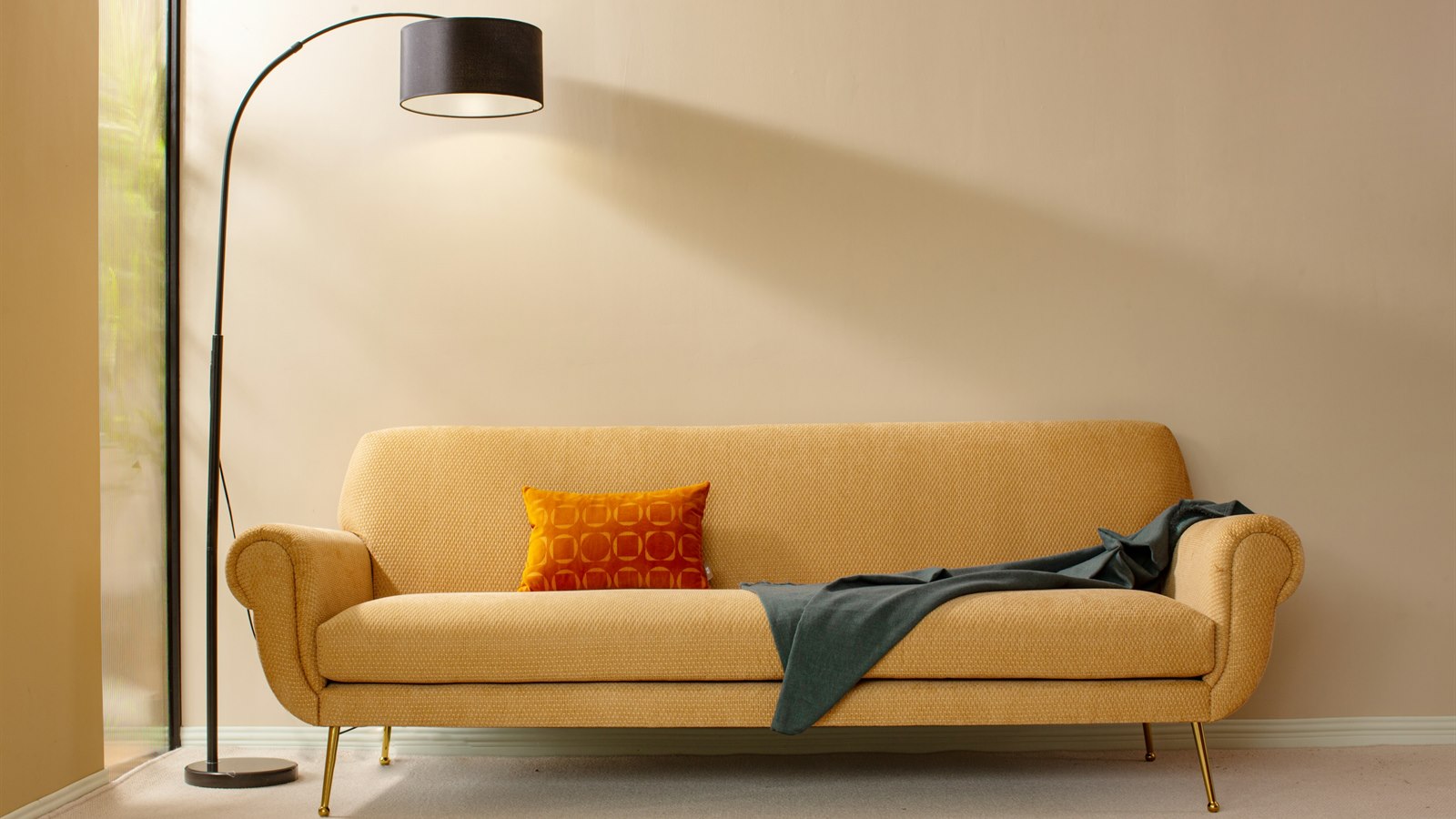
A living room changes throughout the day. You may want bright light for cleaning, lower light for TV and focused light for reading. A lamp with only one brightness level often feels wrong at least half the time.
Dimming is not a luxury feature
Dimming is practical. It lets one lamp stay useful across routines. Stepless dimming is especially helpful because you are not locked into preset steps that may feel too bright or too dim.
The SIBRILLE 36W Rotating Floor Lamp lists stepless dimming from 5% to 100%, which makes it a stronger choice for multi-use rooms than a fixed-output lamp.
Mistake 4: Ignoring Color Temperature
Warm and cool light change the room
Color temperature is one of the easiest details to overlook. Warm light feels relaxed and cozy. Cool light feels clearer and more task-oriented. A bedroom and a home office should not always use the same lighting mood.
Tunable white reduces buyer regret
A tunable white lamp gives you more flexibility. It can soften in the evening and brighten for focused tasks. This is useful for renters, small apartments and rooms that serve multiple roles.
When comparing models, check the Kelvin range. SIBRILLE's 36W rotating lamp lists 3000K to 6000K, while the 2-in-1 torchiere lists 3000K to 6500K.
Mistake 5: Buying the Wrong Lamp Shape
Torchiere vs tree lamp
A torchiere sends light upward. It is useful when the room needs ambient light. A tree lamp uses multiple heads to light several directions. It is useful when one corner has several tasks: sofa, side table, reading chair or desk.
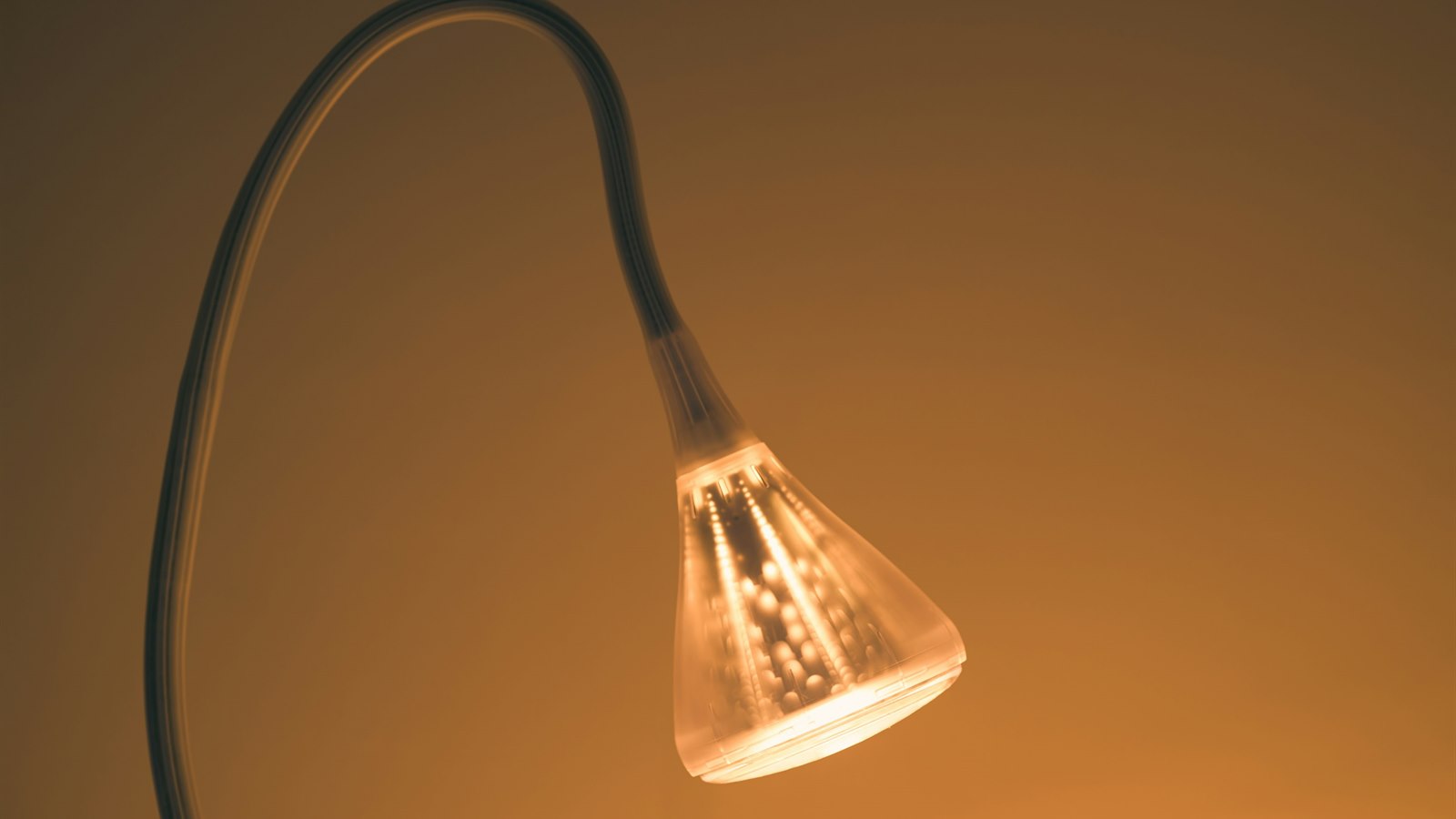
Neither is automatically better. The better choice depends on the room.
Rotating head vs fixed shade
A rotating head gives you control after the lamp is placed. A fixed shade may look cleaner, but it can be frustrating if the light falls in the wrong direction.
If the room needs one lamp to shift between full-room light and focused light, a rotating model is usually safer.
When to choose each SIBRILLE model
Choose the SIBRILLE 36W Rotating Floor Lamp if you want a clean main lamp with directional flexibility.
Choose the SIBRILLE 2-in-1 Torchiere Floor Lamp if you want ambient light plus a dedicated reading arm.
Choose the SIBRILLE 3-Head LED Tree Floor Lamp if one fixture needs to cover several zones.
Mistake 6: Forgetting Height and Eye Level
Glare often comes from poor height
A lamp can have good brightness but still feel uncomfortable if the light source sits at the wrong height. When seated, you generally do not want the brightest part of the lamp shining directly at eye level.
Measure before buying
Check product height and compare it with your sofa, chair, bed or desk. The SIBRILLE 36W rotating floor lamp is listed at 69 inches tall, which helps it sit above many seated eye lines, but every room still needs measuring.

Mistake 7: Ignoring the Base
Stability matters in real homes
A floor lamp lives in a traffic path more often than people expect. It may sit near a sofa, hallway, bed or office chair. A stable base helps daily use feel more confident.
Bigger is not always better
A very wide base may be stable but awkward in a small room. A very small base may look clean but feel less secure. Compare the base with the available floor space, not just the lamp height.
Before buying, compare the listed base size, shade position, and overall height on each product page. These details help you choose a lamp that fits beside a sofa, desk, or bed without crowding the walkway.
Mistake 8: Not Thinking About Controls
Remote control helps shared rooms
In a living room, a remote can be more useful than a foot switch. It lets you change light from the sofa, bed or desk.
Touch controls help close placement
For a reading chair or bedside placement, on-pole controls are convenient. The best setup depends on where the lamp will be used.
Choose controls by routine
If the lamp is across the room, prioritize remote control. If it sits next to a chair, touch controls may be enough. If several people use the lamp, simple controls matter more than complex features.
Mistake 9: Skipping the Outlet and Cord Plan
Placement starts with power
Many rooms have fewer outlets than ideal. Before buying, decide where the cord will run. Avoid routing cords across walkways or under rolling chairs.

Keep the setup clean
Place the lamp near an outlet, behind furniture or along a wall. Use common sense cord management and check the path after moving furniture.
Take a quick photo of the corner before ordering. It makes it easier to judge cord direction, nearby furniture, wall color and whether the lamp will visually balance the room once it arrives.
FAQ
Is a torchiere floor lamp better than a tree floor lamp?
It depends on the room. Choose a torchiere for broad ambient light. Choose a tree lamp when you want one fixture to point light in several directions. Compare the SIBRILLE 2-in-1 Torchiere Floor Lamp with the SIBRILLE 3-Head LED Tree Floor Lamp based on your layout.
What is the most common floor lamp mistake?
The most common mistake is buying by appearance without checking brightness, height, controls and light direction. A lamp should match the room's real use.
Do I need a dimmable floor lamp?
If the room has more than one use, yes. Dimming makes the lamp more useful for relaxing, reading, cleaning and working.
Can one floor lamp light a whole living room?
Sometimes, especially if the room is small or the lamp has strong ambient output. For larger rooms, one floor lamp may need support from other lighting layers. Start with SIBRILLE floor lamp collection to compare current options.
What should I check if I have pets or children?
Check base stability, cord route and placement away from busy paths. Do not rely on any lamp alone as a safety solution. Place it thoughtfully and keep cords managed.