
Floor Lamp Ideas
How to Style a Floor Lamp in Any Room
April 27, 2026
A floor lamp can make a room feel finished, but only when it is placed with intention. Put it too close to the sofa and it may glare. Hide it in a corner and it may feel like an afterthought. Choose the wrong direction and the room still feels dim. The goal is not just to add light, but to create a space that works better: easier reading, softer evenings, cleaner work sessions and a more balanced layout. This guide shows how to style a modern LED floor lamp in real rooms, using practical placement ideas you can apply before you move furniture or buy another fixture.
Start With a Lighting Zone
Define the zone first
Before choosing a placement, decide what zone the lamp is responsible for. A floor lamp can support a conversation area, a reading chair, a bed corner, a desk, a plant corner or an empty wall. If you do not define the zone, the lamp often ends up wherever there is an outlet, which is rarely the best design choice.
For a living room, the most common zone is the side of a sofa or sectional. Place the lamp near the seat where someone naturally reads, uses a tablet or relaxes at night. If the room has no ceiling light, choose a lamp that can also throw ambient light upward, such as the SIBRILLE 2-in-1 Torchiere Floor Lamp.
Think in layers
Good rooms use layered lighting. You may have daylight during the day, a floor lamp at night and smaller accent light from a TV stand or table lamp. The floor lamp should not fight the other sources. It should fill the gap.
If the room already has overhead lighting, use the floor lamp as a softer evening layer. If the room is dark, make the floor lamp the main light source and choose a model with enough output for the space.
Style a Floor Lamp Beside a Sofa
Place it slightly behind the seating line
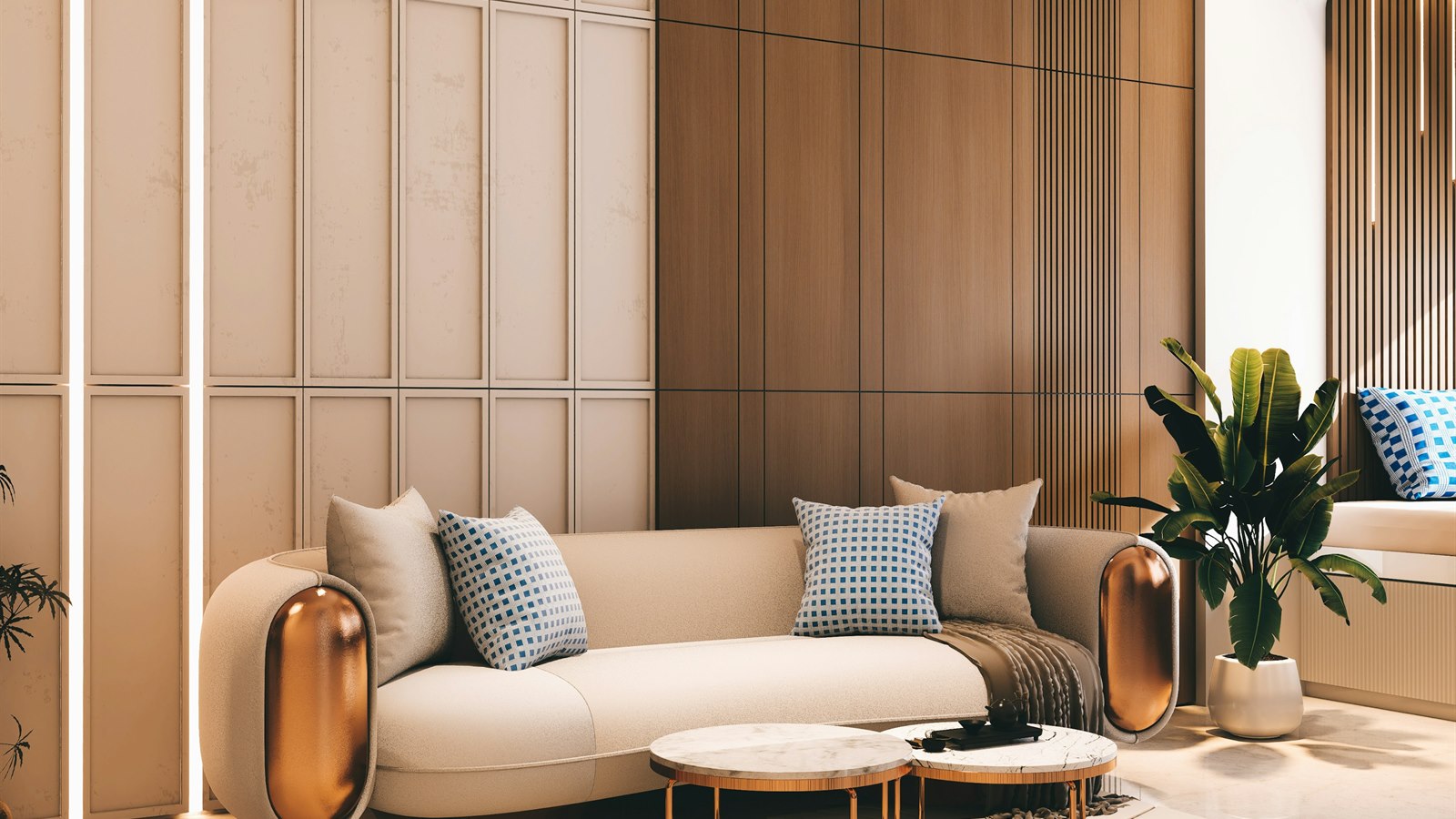
A floor lamp usually looks best when it sits just behind or beside the sofa arm, not floating in front of the seating area. This keeps the lamp useful without blocking movement.
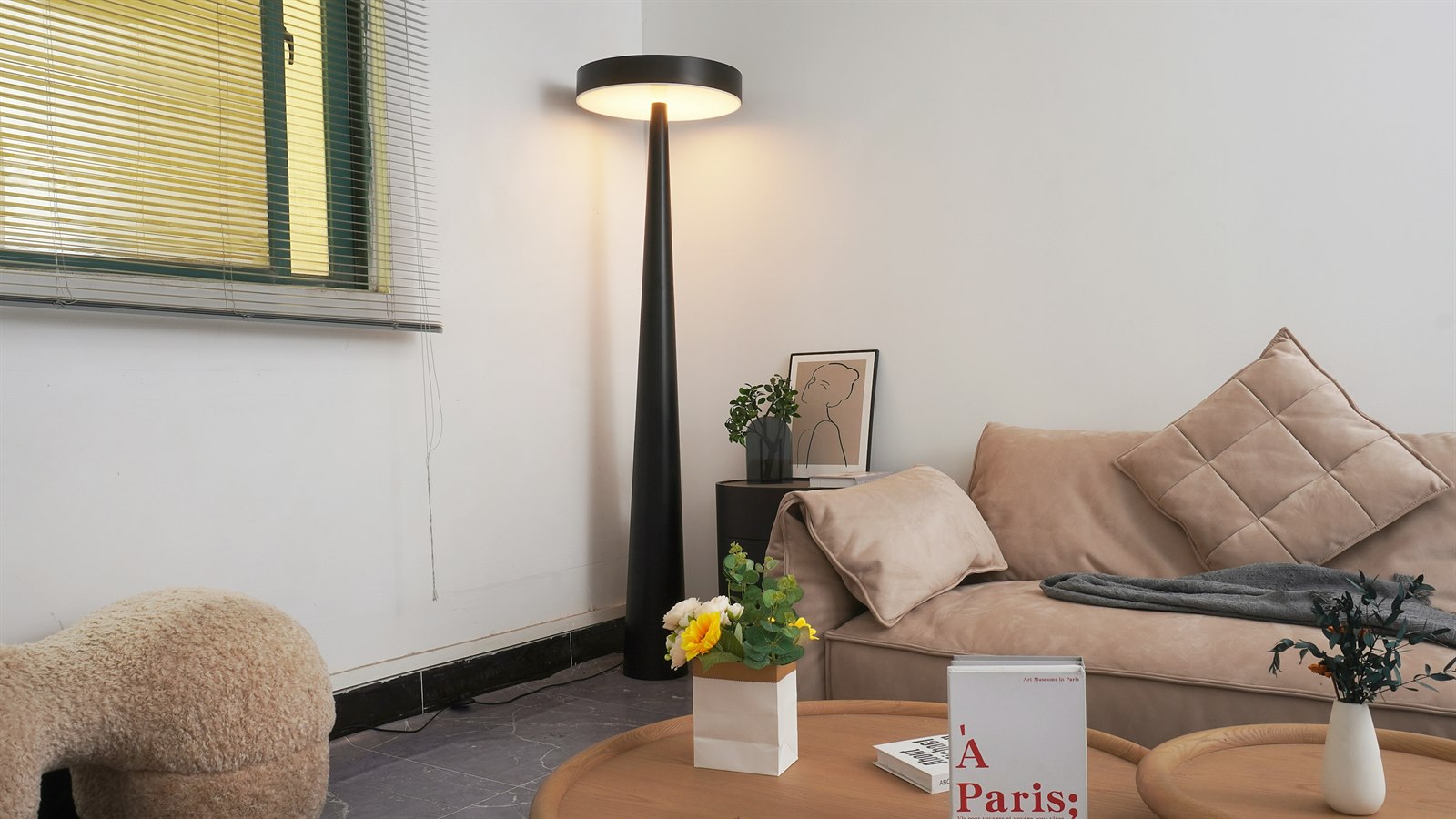
For a slim black LED design, leave enough breathing room around the base so it does not look squeezed between furniture. A few inches can make a big difference visually. If the sofa is low and modern, a clean vertical lamp can add height without making the room feel cluttered.
Use the lamp to balance a wall
If one side of the room has a tall bookshelf, artwork or curtains, the other side may need vertical balance. A floor lamp can provide that height. This is especially useful in rental apartments where you may not want to install sconces.
Aim the light for the activity
If the lamp has a rotating head, point it upward for movie nights or general ambient light. Angle it toward the sofa arm when reading. The SIBRILLE 36W Rotating Floor Lamp is useful here because the head can shift from room lighting to directional lighting without moving the whole lamp.
Build a Comfortable Reading Corner
Start with the chair
A reading corner begins with the chair, not the lamp. Place the chair where you naturally want to sit: near a window, beside a bookcase, near a quiet wall or in an unused bedroom corner. Then bring the lamp close enough to light the page without shining directly into your eyes.
Put the lamp on your non-dominant side
If you read physical books, place the lamp on the side that creates fewer shadows from your hands. For many right-handed readers, that means placing the lamp slightly to the left. For tablets or e-readers, glare matters more than hand shadow, so adjust the head angle until the screen stays comfortable.
Use warmer light at night
Warm light is usually more relaxing after dark. If the lamp has tunable color temperature, keep brighter cool settings for daytime focus and warmer settings for evening reading.
A tree-style lamp can also work in a reading corner when the room needs more than one direction of light. The SIBRILLE 3-Head LED Tree Floor Lamp can help spread light across a chair, side table and nearby wall.
Use a Floor Lamp in the Bedroom
Replace one bedside lamp when space is tight
Small bedrooms do not always have room for two nightstands and two table lamps. A slim floor lamp can replace one bedside lamp while freeing the surface for books, water or a charger.
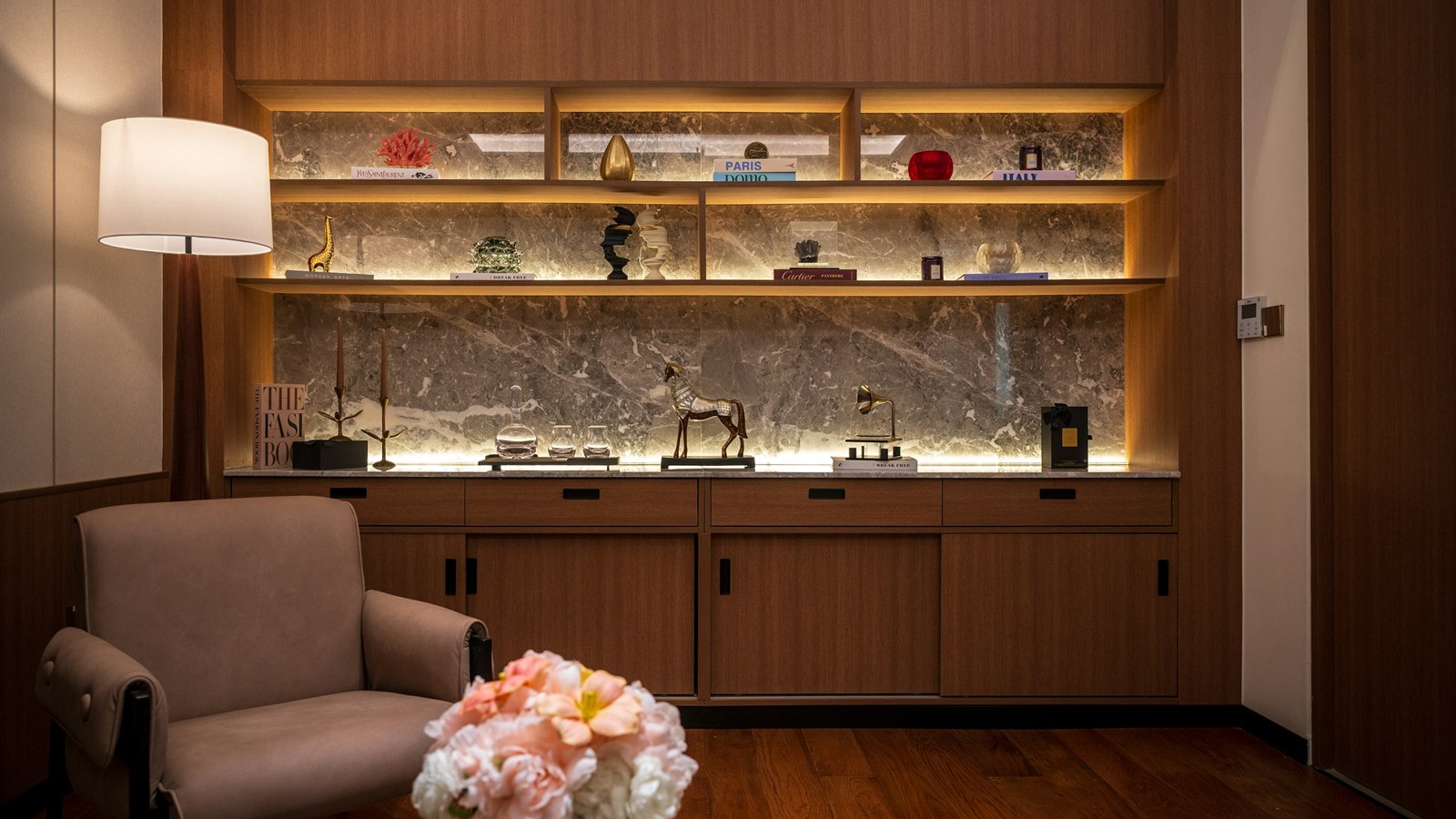
Place the lamp beside the nightstand or slightly behind it. Make sure controls are reachable from the bed if the lamp will be used at night. Remote control can be helpful, especially when the lamp sits just out of reach.
Keep the bedroom softer than the office
Bedrooms need softer contrast. Avoid pointing bright light directly across the bed. Use dim settings for evening routines and reserve cooler, brighter light for cleaning, packing or getting dressed.
Watch the base and walking path
In bedrooms, the floor path is often tighter. Keep the base out of the main route from bed to door. If the cord must run behind furniture, keep it flat against the wall.
Add Light to a Home Office Without Glare
Do not aim light at the screen
For a desk setup, avoid placing the floor lamp where it reflects in your monitor. A floor lamp should brighten the surrounding area and reduce harsh contrast between the screen and the room.
If you work at night, position the lamp to the side of the desk, slightly behind your shoulder. This gives your eyes a more comfortable light environment without creating a bright spot on the screen.
Use cooler light for focused tasks
Cooler white light can help a workspace feel clearer. Choose a lamp with adjustable color temperature so the same office can soften at the end of the day.
Keep the floor clear
Home offices often have chair wheels, cords and storage bins. Use a stable base, keep cords away from chair movement and avoid placing the lamp where it will be bumped during calls or desk work.
Style a Floor Lamp in a Small Apartment
Choose multi-use lighting
Small apartments benefit from lamps that solve more than one problem. A 2-in-1 torchiere can light the room and support reading. A rotating lamp can brighten the room or angle toward a desk. A tree lamp can cover a sofa corner and nearby workspace.
This is where the SIBRILLE floor lamp collection is useful: compare the shape, output and controls before deciding which lamp gives the most function per square foot.
Keep the visual line simple
Choose a lamp that looks clean from several angles. In a studio or small living room, the lamp may be visible from the kitchen, bed and entryway. A slim black silhouette usually feels easier to integrate than a bulky shade.
Avoid overdecorating around the base
Do not crowd the base with baskets, plants and side tables. A floor lamp needs a small amount of space to look intentional and stay easy to clean around.
Keep the Lamp Looking Clean
Dust regularly
Dust can dull the look of a black lamp and settle around LED heads. Use a soft dry cloth for regular cleaning. Avoid soaking controls, seams or electrical parts.
Check the cord path
Every few weeks, check that the cord has not shifted into a walking path. This matters in homes with pets, children or frequent furniture movement.
Revisit settings seasonally
As daylight changes, your preferred settings may change. In winter, you may use brighter ambient light earlier in the evening. In summer, you may rely more on low warm light after sunset.
FAQ
Where should a floor lamp go in a living room?
Place it beside or slightly behind the sofa, near the seat that needs the most light. If the room is dark overall, choose a model like the SIBRILLE 36W Rotating Floor Lamp for more flexible room lighting.
Can a floor lamp replace a bedside lamp?
Yes, especially in a small bedroom. Choose a slim lamp with reachable controls or a remote, and keep the base outside the walking path.
How do I style a floor lamp without making the room look cluttered?
Keep the area around the base clear, match the lamp finish to other room accents and choose a shape that adds height without heavy visual bulk.
What type of floor lamp is best for a reading corner?
Look for directional control, dimming and warm-to-cool color adjustment. A 2-in-1 model such as the SIBRILLE 2-in-1 Torchiere Floor Lamp can support both room light and close reading.
Should a floor lamp match other lighting in the room?
It should coordinate, but it does not need to match exactly. Similar finishes, clean lines or matching light temperature can make different fixtures feel connected.