
Floor Lamp Guides
How to Place Floor Lamps in Your Living Room
December 14, 2023
Placing a floor lamp in the right spot can make a living room feel brighter, calmer, and easier to use at night. The best placement depends on what the lamp needs to do: fill a dark corner, support reading, balance a sofa area, highlight decor, or add soft ambient light when the ceiling light feels too harsh.
Quick answer: where should a floor lamp go in a living room?
A floor lamp usually works best beside a sofa, next to a reading chair, in an empty corner, behind a sectional, or near a media wall where it can add indirect light without creating screen glare. Keep the lamp close enough to be useful, but far enough from walkways that the base and cord do not become obstacles.
For most living rooms, start with one main floor lamp near the primary seating area. Then look at the room at night. If one corner disappears into shadow, add a second lamp or move the existing lamp so it layers with table lamps, wall lights, or ceiling lighting.
Best floor lamp placement ideas by living room layout
| Living room area | Best placement | Why it works |
|---|---|---|
| Beside a sofa | Place the lamp near the arm of the sofa, slightly behind or beside the seating position. | It gives comfortable light for reading, relaxing, and conversation without taking space on a side table. |
| Reading chair | Set the lamp on the side of your dominant reading hand or just behind the chair shoulder. | The light reaches the page or tablet more directly and reduces eye strain. |
| Dark corner | Use an uplight, torchiere, or slim LED floor lamp in the corner. | It lifts the visual weight of the room and makes the space feel larger after sunset. |
| Behind a sectional | Place a tall lamp behind the corner seat or at the open end of the sectional. | It adds height and makes a large sofa arrangement feel more balanced. |
| Near a TV | Place the lamp off to the side, not directly across from the screen. | It creates soft background light without reflections or glare. |
1. Place a floor lamp beside the sofa for everyday living room light
The sofa is usually the anchor of a living room, so it is one of the most practical places for a floor lamp. A lamp beside the sofa can support reading, watching TV, hosting guests, or winding down in the evening. If the sofa has an end table, place the lamp slightly behind the table so the shade or LED head does not crowd drinks, remotes, or decor.
For a balanced look, align the lamp with the sofa arm or keep it a few inches behind the arm. The light source should sit high enough that it illuminates the seating area, but not so low that it shines directly into someone?s eyes. If the lamp has an adjustable head, angle it toward the seat rather than toward the center of the room.
2. Use a floor lamp to brighten dark corners
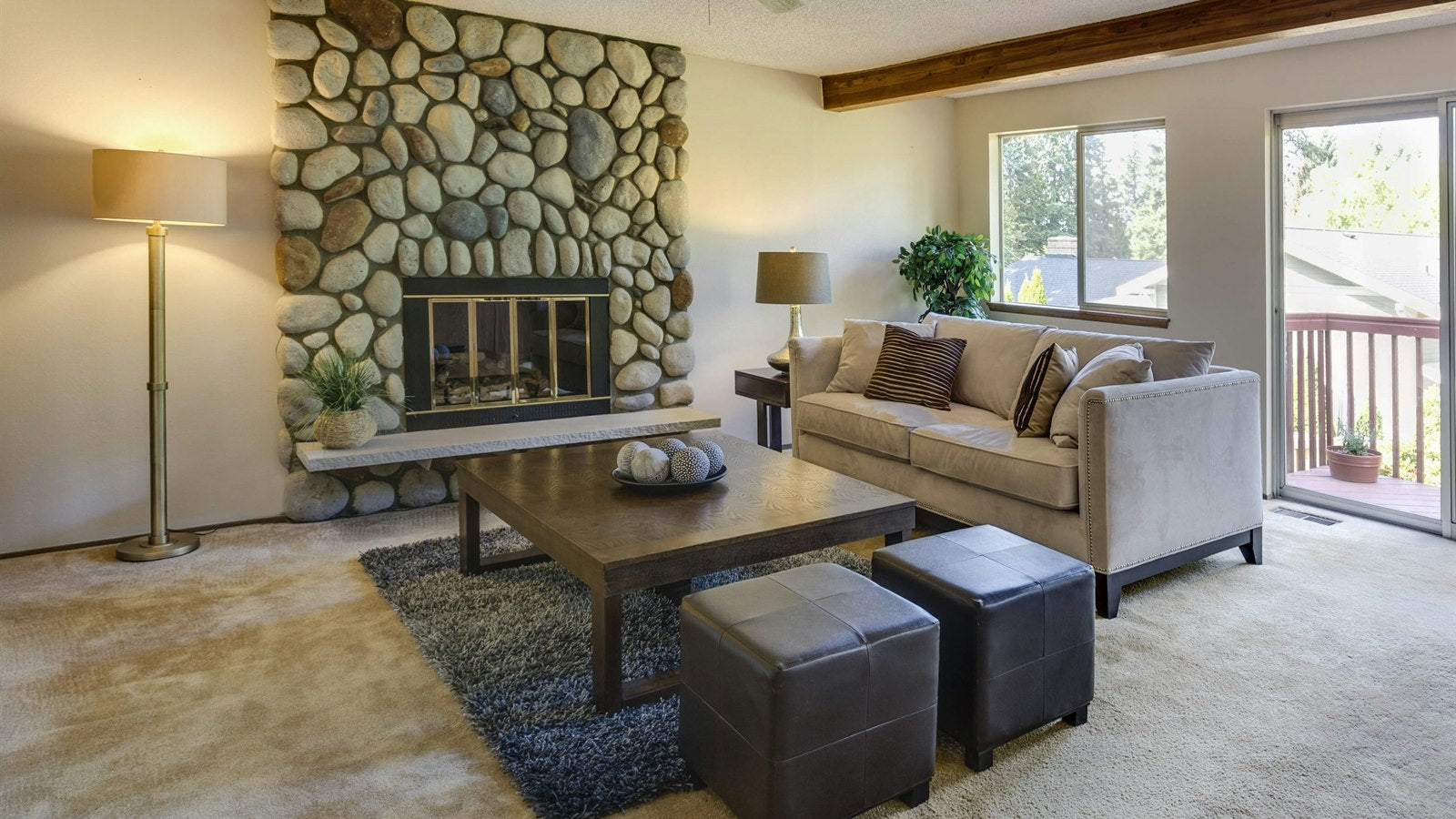
Dark corners make a living room feel smaller than it is. A floor lamp is often the simplest way to fix that because it adds vertical light without requiring installation. For corners, choose a slim lamp, a torchiere-style lamp, or a modern LED floor lamp that throws light upward or outward. The goal is not to spotlight the corner; it is to make the entire room feel more evenly lit.
If your room has one especially shadowy corner, avoid pushing the lamp too tightly against both walls. Leave enough space for the light to spread. A lamp placed a little away from the corner can wash nearby walls with softer light and make the room feel less flat.
3. Put task lighting near reading chairs and work areas
For reading, knitting, journaling, or laptop work, placement matters more than brightness alone. A floor lamp should place light over the task area, not behind your head where it creates shadows. Put the lamp next to the chair or slightly behind your shoulder, then angle the light down toward the book, tablet, or tabletop.
If you often read at night, look for a lamp with dimming or adjustable direction. Bright task light is useful when focusing, while a lower setting is better for relaxing after the task is done. For more buying criteria, see how to choose a living room floor lamp.
4. Keep floor lamps away from walkways and door swings
A good floor lamp placement should improve the room without making it harder to move through. Avoid placing a lamp base in the natural path between the sofa, coffee table, door, media console, or hallway. Also check that cabinet doors, room doors, and recliners can open without hitting the lamp.
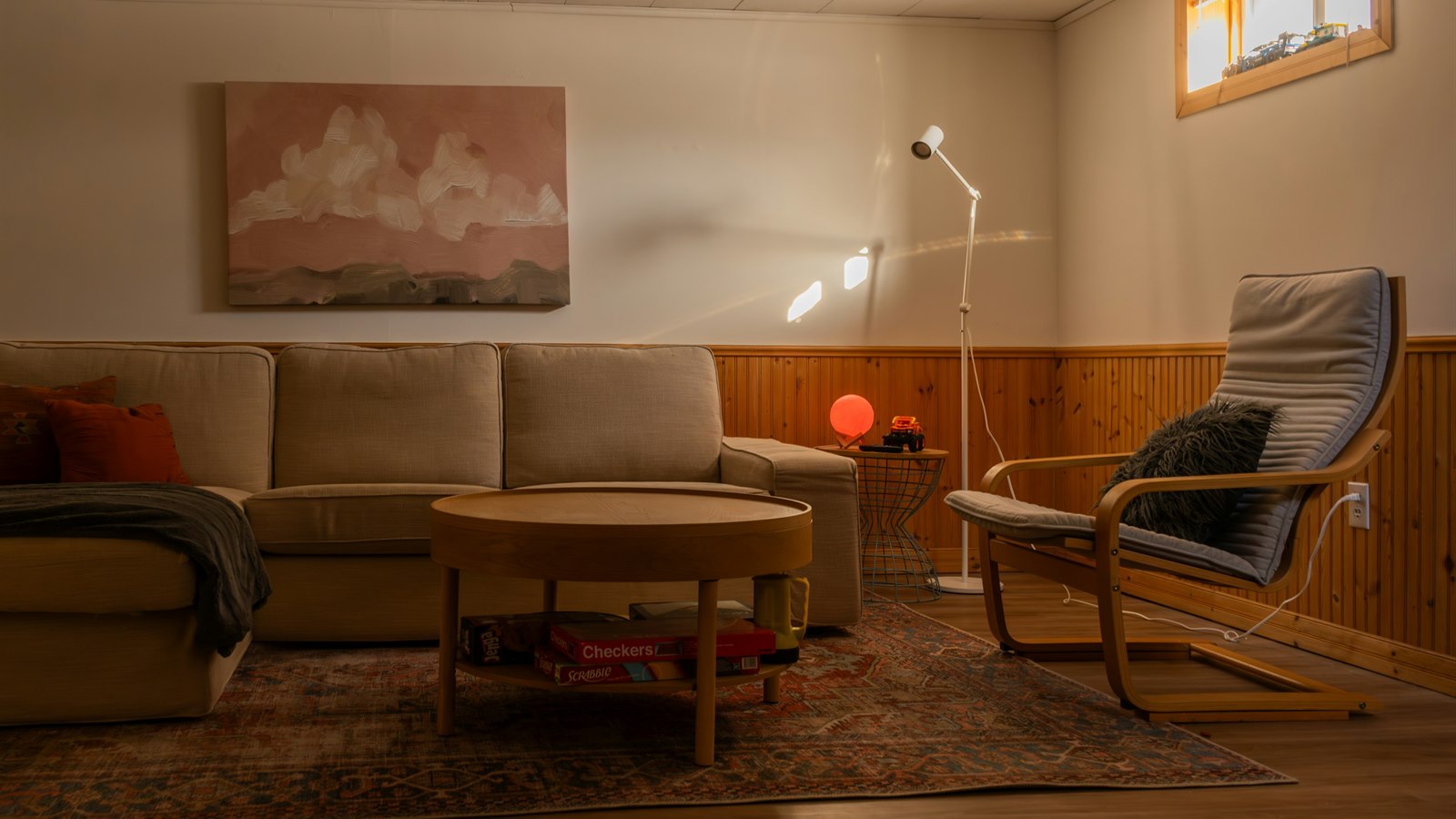
Cords matter too. Run the cord along a wall, behind furniture, or toward the nearest outlet instead of across open floor space. If the lamp must sit away from the wall, use a safe cord management solution and avoid areas where people walk frequently.
5. Avoid glare on TVs, windows, and glossy surfaces
Floor lamps can make TV areas more comfortable, but only if they are positioned carefully. Do not place the lamp where the light reflects directly off the screen. A better option is to put the lamp to the side of the TV wall, behind the seating area, or in a nearby corner where it creates ambient light.
Also check windows, mirrors, glass coffee tables, and glossy cabinets. If you see a bright reflection from your usual seat, shift the lamp a little or angle the light away from the reflective surface. Soft indirect light usually works better than a bare, direct beam in media spaces.
6. Use multiple floor lamps only when the room needs zones
Large living rooms, open-plan spaces, and sectional layouts may need more than one floor lamp. Use one lamp for the main seating area and another for a corner, reading chair, or accent wall. The lamps do not have to match exactly, but they should feel related in height, color, finish, or style.
A common mistake is placing two lamps too close together, which creates one bright area and leaves the rest of the room uneven. Spread lamps across different zones and use dimming when possible. For more room inspiration, read floor lamp lighting ideas.
7. Match lamp style to the room?s purpose
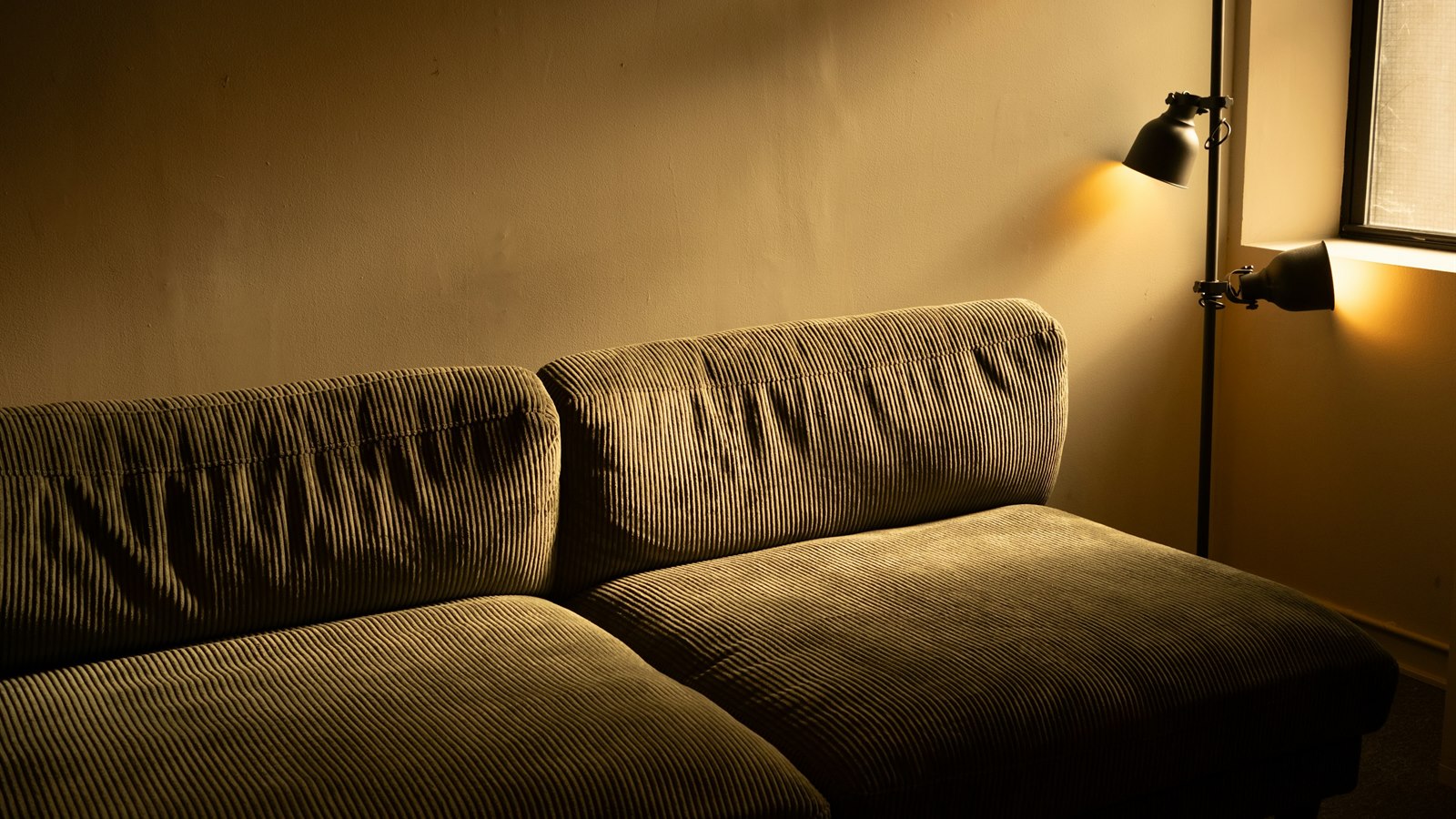
A modern LED floor lamp works well when you want a clean shape, flexible brightness, and a space-saving footprint. A tree floor lamp can support multiple seating positions. A torchiere can brighten a room without aiming light at eye level. A corner lamp can make unused space feel intentional.
If you are still comparing lamp types, start with the function first: ambient lighting, reading light, accent light, or a mix of all three. You can also browse SIBRILLE options such as the 2-in-1 floor lamp, 3-head floor lamp, and corner floor lamp to match placement needs with lamp shape.
Common floor lamp placement mistakes
- Placing the lamp too far from the seat: The room may look lit, but the lamp will not help with reading or tasks.
- Putting the lamp in a walkway: A good lamp should not interrupt traffic flow or create a cord hazard.
- Aiming light directly at the TV: This can cause glare and make evening viewing less comfortable.
- Using only one bright light source: Living rooms usually feel better with layered lighting instead of one harsh source.
- Ignoring scale: A very small lamp can disappear beside a large sectional, while an oversized lamp can crowd a compact room.
FAQ: placing floor lamps in a living room
Should a floor lamp go next to or behind a sofa?
Either can work. Next to the sofa is better for reading and everyday use. Slightly behind the sofa is better when you want ambient light and a cleaner furniture layout. The best choice depends on where people sit and whether the lamp needs to provide task light.
How many floor lamps should a living room have?
Small living rooms often need one well-placed floor lamp. Larger rooms or open-plan layouts may need two, especially if one lamp supports the sofa and another brightens a corner or reading chair.
Can I put a floor lamp next to the TV?
Yes, but place it off to the side or behind the viewing area so the light does not reflect on the screen. Soft, indirect light is usually more comfortable than direct light near a TV.
Where should a floor lamp go in a small living room?
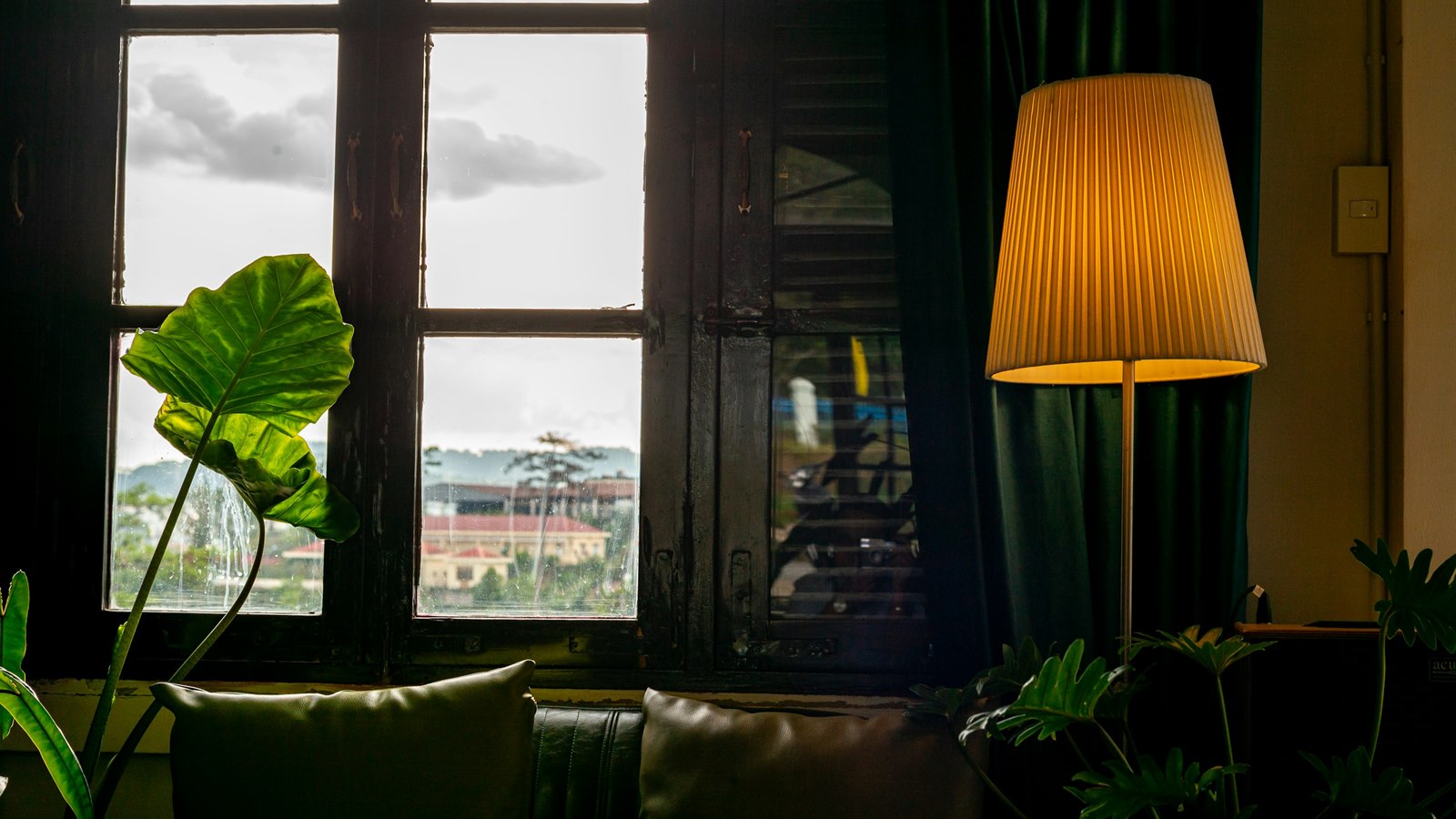
In a small living room, place the floor lamp in a corner, beside the sofa, or behind a chair where it adds useful light without blocking movement. Slim LED lamps and corner-friendly designs are usually easier to fit than wide tripod bases.
What is the best height for a living room floor lamp?
The best height depends on use. For ambient light, a taller lamp helps spread light across the room. For reading, the light source should sit high enough to shine over your shoulder or toward the task area without shining directly into your eyes.
Final placement checklist
Before deciding on the final spot, sit in your usual living room seats at night and check three things: whether the light reaches the activity area, whether the lamp causes glare, and whether the base or cord interrupts movement. If the lamp passes those checks, the placement is likely both practical and visually balanced.
For a broader foundation on lamp style and function, you may also like what is a modern floor lamp.